The survey also aimed to determine which of the two ways – “App Store” or “Apps” is safer and easier for parents to give their approval.
 Here are the survey results:
The majority of survey participants (79%) support the idea of creating a law that requires parents’ prior approval when their children download a particular app.
– Four in five parents (79%) support a law that requires parental approval for children under 16 before downloading apps.
This legislation is supported by two types of parents – parents with Democratic views (81%) and parents with Republican views (79%).
Meta Morning Consult polled parents in the survey and asked what the most appropriate age is for their children (some of them already teenagers) to download an app of their choice without needing the approval of at least one of both parents.
Parents in the US share a common opinion
Responses were again similar to previous ones with 55% of parents supporting the idea that under-16s should not be allowed to download apps without parental permission.
 Parents with Democratic views, 54%, and parents with Republican views, 56%, are also united in the idea of prior approval from at least one parent before a minor can download the app they want.
Over 75% of parents prefer using app stores as a more convenient and secure option for approving app downloads for their children.
When asked about the easiest method for parental approval of their child’s app usage, 76% of parents favor a centralized approach, such as using an app store, while only 24% find it easier to approve apps individually after downloading.
This preference for a unified approval process holds true across political affiliations:
- Democratic-leaning parents: 76% prefer approval in one place (e.g., app store)
- Republican-leaning parents: 77% prefer approval in one place (e.g., app store)
Furthermore, a significant majority (76%) of parents trust app stores over individual apps to securely handle the necessary personal data for verifying parental approval. In contrast, only 24% express trust in the apps themselves.
This trust in app stores is consistent among both Democratic-leaning and Republican-leaning parents:
- Democratic-leaning parents: 77% trust app stores
- Republican-leaning parents: 75% trust app stores
What is your opinion on the subject? Do you approve of the creation of a parental approval law for the downloading of apps by children under the age of 16? Email us at [email protected].
]]>In the tech business world, the secret to success lies in employee satisfaction. Recent studies highlight the key role of employee happiness, showing that it has a significant impact on motivation, productivity and innovation. The extra effort that happy employees put in is not an obligation, but a genuine desire to contribute even more to the company they work for. Remarkably, studies show that employees who are happy and satisfied in their jobs are 48.4% more likely to stay with the same company and work for its success, giving their all.
 On the other hand, the consequences of unhappy and dissatisfied employees are a serious problem for businesses. Employee dissatisfaction leads to annual financial losses of a staggering $300 billion, according to a study, which is attributed to increased sick leave, absenteeism and an increase in workplace errors.
In a fast-paced industry like tech, a pleasant work atmosphere is key to the well-being of a company’s employees and the sense of comfort they feel despite being away from home. And when an employee feels comfortable and “in place,” they are productive, motivated and full of interesting ideas and a desire to work.
Today we will introduce you to the top 5 ideas on how to create a more pleasant working atmosphere in your tech office according to Hiveage.
How to Create a More Pleasant Working Atmosphere in TECH Office
Bring in natural lighting to the work environment
Not only does natural lighting look better, but there is a strong connection between natural light in the workplace and employees’ quality of sleep and energy. Neurology researchers at Northwestern University found that people who work in offices with windows receive 173 percent more white light (i.e. light from the sun) during work hours and sleep an extra 46 minutes every night. Workers were better rested and therefore in a better frame of mind.
Create a clean and comfortable office space
It doesn’t take a psychologist to tell you that when you are in an area that is attractive, comfortable, and pleasant, you feel better. This is true of both the home and the work environment, so be sure to clear away clutter and broken equipment, and mend flickering light bulbs and temperamental air conditioning or heating units. And though it may not seem like a big deal, invest in new, ergonomic furniture, plants, updated equipment, and quality coffee and snacks. Your staff will not only appreciate that their well-being is important to you, but they’ll be energetically affected by the space in a positive way.
Provide quiet rooms for employees
Open office layouts are a necessity in many cases, but you should consider providing a few areas where employees can retreat if they need quiet or solitude to concentrate on a difficult project. It can cut down on the stress and interruptions, which improves mood and productivity. You might also think about providing nap rooms, for which Google (among others) is famous. Studies show that a 20 or 30 minute power nap is better than a cup of coffee to boost energy for those people who regularly work long hours, engage in intensive, complicated work, or travel to out-of-town bureaus.
Have an open-door policy for team members
Employees report higher job satisfaction and are more likely to stay at a job where they feel listened to and appreciated. One way to do this is to ensure transparency between managers and workers because conflicts often surface when employees feel left out of the loop or like they are merely indentured laborers. Make it known that you are always available for questions, comments, and concerns. And “open door” should be taken literally—keeping the door open encourages friendly communication.
Equip the office with recreational areas for employees
If you can, make room for outdoor hoops or an indoor ping pong table. Team members will enjoy having a place to get a little exercise or to blow off some steam between tasks. Plus, friendly games with others can lead to better rapport and team cohesion.
 In exploring the intersection of programming and mental health, it may be necessary to create an app or platform that brings these two elements together. Improving mental health through programming can be a good idea, especially when your task has real relevance in today’s digital landscape
Embarking on a journey to master programming languages such as JavaScript, Python, BASIC, or any other, can be an enriching experience that not only enhances your coding skills but also contributes positively to your mental well-being. In the realm of programming, individuals grapple with some of the world’s most intricate challenges, and in this intellectual pursuit, you’ll find of mental health benefits taking root.
The process of grappling with these complex problems yields a profound sense of intrinsic satisfaction that transcends conventional job-related contentment. Concerns about potential mental health issues, often associated with the developers, can be addressed proactively, preventing them from becoming significant obstacles. The undeniable truth is that the field of programming offers a multitude of advantages for mental health, making it a remarkable arena where cognitive challenges and personal well-being coexist harmoniously. Here’s what Civilized Caveman has to say about programming and mental health.
Overcoming the challenges of anxiety and depression in the world of programming
 In the field of programming – a profession that often requires long hours of screen-focused work – signs of anxiety and depression can appear very quickly. Depression, characterized by widespread feelings of sadness or disinterest in daily life and activities, is not an unfamiliar companion for some people in the programming world. The phenomenon known as “coding depression” occurs when programmers go through extended periods devoid of social contact, making them vulnerable and more easily able to fall into the trap of mental instability.
When the hours increase, and troubleshooting in lines of code goes beyond human contact, the risks of depression and anxiety intensify. Experts suggest that people who are immersed in the programming world may be more susceptible to depression and anxiety than the general population. The mental health dangers of this industry are an undeniable reality. However, it is crucial to recognize that addressing these challenges has significant benefits, as programmers can tap into a wellspring of resources to reduce pitfalls and pave the way to better mental well-being.
Programming brings immense job satisfaction despite the mental health risks
 Programming requires both creativity and problem-solving skills, and when programmers excel in both areas, job satisfaction is extremely high. Learning how to stay on that wave and re-emerge from depression when you notice it starting to consume you is a big step forward in solving the problem and will help you regulate stress and reduce the risks of depression.
Programming can be an overwhelming area to work in. However, it can also be incredibly fulfilling. When you solve other people’s problems, yours feel a little smaller. With experience, you will find that this self-regulation is extremely beneficial to your overall health.
Relationship Building In The Programming Community
The world of programming and coding offers communities, networks and groups around the world that you can connect with to end feelings of isolation. Taking advantage of them brings a sense of connectedness to your work and gives you the best of both worlds. You can reap the benefits of human interaction in the people-rich communities of programming.
 Become happier in programming
Mental health risks are known to exist in programming. But this field can provide many mental health benefits. There are some risks to anxiety and depression levels when you spend a lot of time alone staring at bugs and code. At the same time, there are also benefits to being in this fulfilling field that help you get past overwhelming problems when they arise.
Delve into the myriad advantages of creative problem-solving in coding and position yourself as an integral contributor to the thriving global community of coders. As the profound benefits of this skillset unfold before you, you’ll find both your job satisfaction and overall life contentment soaring to remarkable heights.
]]>C++ is one of the most widely used programming languages, even among tech giants like Google, Amazon, Flipkart, HP, IBM, Intel, Microsoft, Infosys, Sun Microsystems and many others who are constantly hiring C++ experts. Developing the right skills, willingness to learn new things and perseverance would open countless career doors for you.
Did you know that?
Simplilearn unlocks our curiosity with the interesting fact that C++ developers are not only some of the most in-demand, but also hold some of the highest paying jobs in the industry. The average salary in the US for a C++ developer is around $103,035 per year. Of course, we shouldn’t ignore the fact that the pay rate as a C++ developer also depends on the talents’ relevant skills, qualifications and experience.
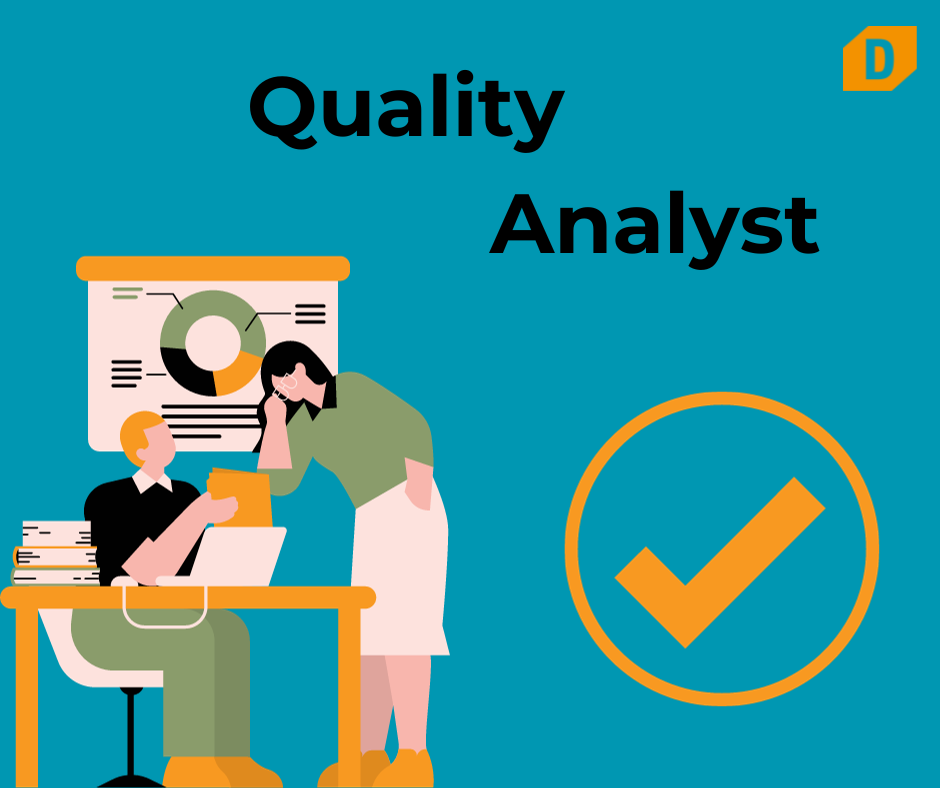
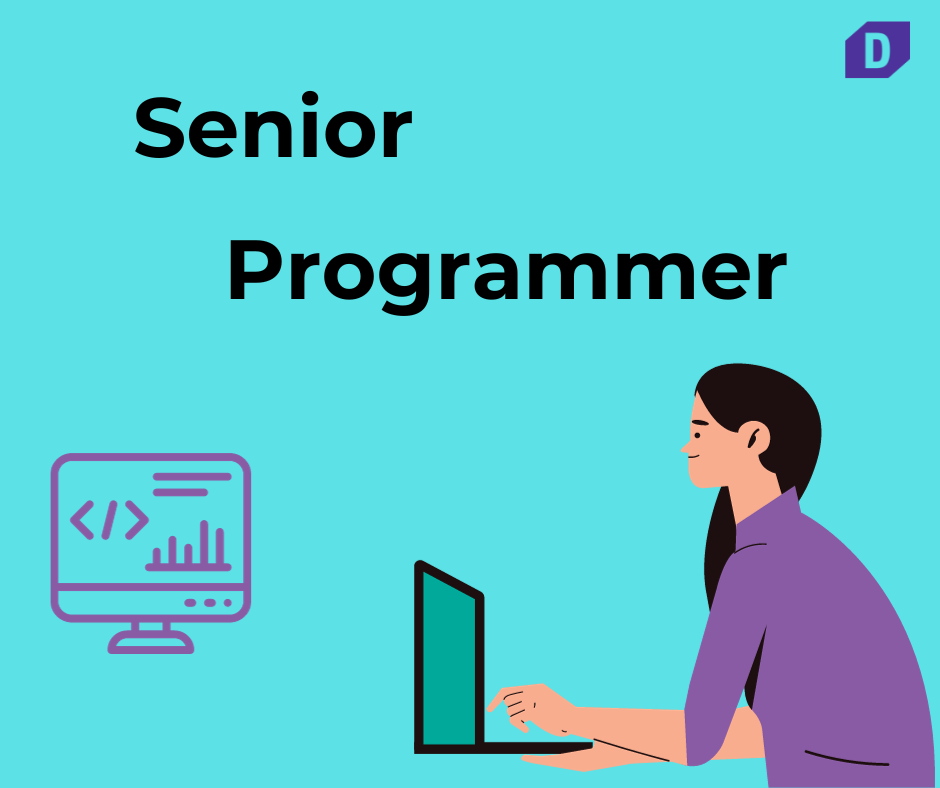
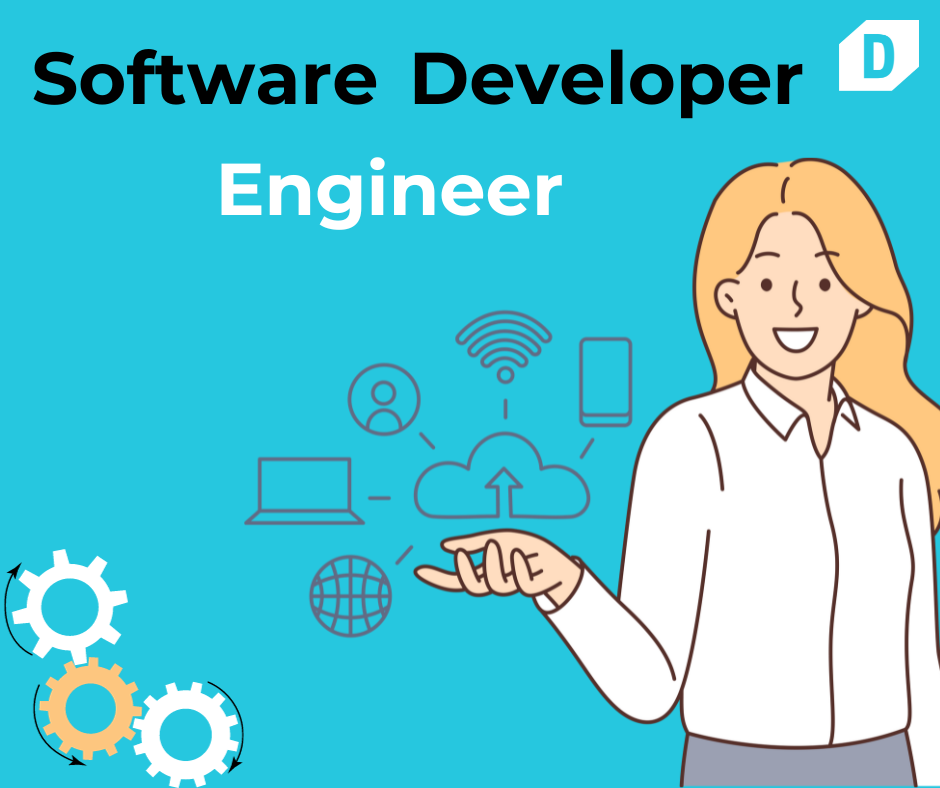
In our gallery you will see the professions you can practice when you have knowledge of C++, which Simplilearn presented.




And even though it’s Friday today, in this article we’ll discuss why it’s important to pay attention to unproductive days and present some of the best tips and strategies to say goodbye to unproductivity.
How to deal with lack of productivity
Prioritization of at least one task
When you’re experiencing a lack of productivity, you can ensure progress by prioritizing at least one task to complete by the end of the workday. This can help you experience a sense of accomplishment while keeping your goals simple and achievable. From here, you can build momentum to make more progress when you return to work the next day.
Plan a productive tomorrow
After you’ve had an unproductive day, leave work, take a break and create a plan to boost your productivity for tomorrow. This can help you start the next day efficiently and without wasting time organizing your tasks. From here on, you can accomplish more than you originally thought and maintain a calm and efficient attitude.
Optimize your working environment
To move forward after an unproductive day, optimize your working environment so you can make progress. Try to eliminate any opportunity for distractions, including office clutter, text or email notifications, phone calls and interruptions from colleagues. From here, you can concentrate on your work and focus on completing your tasks.
Defining time management strategies
In addition to optimizing your work environment, you can take advantage of time management strategies to bounce back after an unproductive day. Consider creating a workflow schedule that you can follow to organize your tasks efficiently. Additionally, you can use time tracking apps or software to measure the time you spend on specific tasks and set reminders.
Consider work-life balance
Think about why you had an unproductive day and evaluate your work-life balance performance and your personal needs. Many people experience a drop in productivity due to career stress or personal issues. Consider evaluating your current routine or situation to recognize your limitations and set boundaries that improve your ability to focus on work.
The summit will culminate in a conference featuring panel discussions and a gala dinner, during which the winners of the 2023 International Innovation, Technology and Sourcing Awards will be recognized.
The conference will delve into topics such as the transition from Industry 4.0 to Industry 5.0, responsible practices in business transformations, and the applications of AI, with a particular focus on talent and regional growth through investment. Discussions will be facilitated by local authorities, government representatives, business leaders, and other specialists.
The awards will be presented across 10 categories, including “Employer of the Year”, “Technology Startup”, “Innovation of the Year”, “IT Product of the Year,” “CSR Initiative” and “ESG Leader”. The application deadline is September 15th.
For more information, please visit the event website here.
]]>According to the report, Microsoft’s global water consumption increased by 34% between 2021 and 2022 as a result of significant investments in artificial intelligence.
In training GPT-3 at Microsoft data centers, it is estimated that 700,000 liters or about 185,000 gallons of fresh water were used. That’s enough water to fill the cooling tower of a nuclear reactor, according to Gizmodo, and the same amount used to produce 370 BMW cars or 320 Tesla cars, according to the study.
Using these calculations, it was determined that ChatGPT would need 500 ml of water for every 5 to 50 questions it answered.
In a very short period of time, generative AI assistants like ChatGPT, Bard, Dall-E and others have managed to become a part of not only the professional lives of many, but have also crept their way into their personal lives. And the touchy subject of whether AI will replace the need for humans still holds a prominent place today.
Small businesses developing advances in AI are also attracting significant investment from IT giants.
]]> In this article, we’ve chosen to list five of the best programming movies presented by Live for film starring Jolie and other famous actors, whose plots would captivate even those who have no idea what Python or Java is, for example. Films that will help people outside the tech world be able to better understand the power of this unique craft.
Top 5 Best Movies for Programmers
The Social Network (2010)
“The Social Network is a film about the rise of one of the world’s most recognisable figures, Mark Zuckerberg, and the founding of Facebook. The film was directed by David Fincher and starring Jesse Eisenberg and won an astonishing three awards at the 83rd annual Academy Awards.
The film follows the story of Mark Zuckerberg, who creates two successive versions of his famous social networking site. After the initial launch of “thefacebook” the site quickly became popular. Despite numerous legal battles, Zuckerberg began the process of building the new and improved social media platform that was destined to bring him the success that the world recognizes today.
The genius of the film lies in its careful visualization of the intense programming process. Viewers can see the power of programming through Zuckerberg’s complex code and the revolutionary results it produces. The film may not provide an in-depth guide to programming, but it creates an impression of the reality of the lives of programmers that those who are not outside of this world will understand, and those who have already immersed themselves in it will recognize.
Hackers (1995)
“Hackers” is one of the earliest feature films about programming. The film is set in New York City and follows a group of clever and skilled hackers who attempt to crack a large computer system. Released in 1995, the film was an instant hit and helped establish the subculture of hackers and programmers.
The film follows the story of a group of young hackers, played by Johnny Lee Miller, Angelina Jolie and Matthew Lillard, who attempt to hack into a large computer system that, if broken, could have disastrous consequences. Viewers go through an interesting and educational journey as they witness the characters solve complex problems and navigate computer security systems. Moreover, “Hackers” introduces early concepts of the Internet. The film also contains some exciting scenes that take place in a computer environment and play a huge role in keeping the viewers’ interest.
The Imitation Game (2014)
The Imitation Game is a thrilling historical drama directed by Morten Tyldnin and starring Benedict Cumberbatch as the British mathematician, Alan Turing. The film follows Turing’s life as he attempts to crack The Enigma code during World War II. This feat of programming genius was a significant win for the British forces and allowed them access to vital intelligence.
The movie follows Turing’s struggles as he attempts to create a machine for decrypting Nazi forces’ communications. After years of intense programming and dedication, the machine that he created manages to break the code. It was one of the most remarkable successes of the war period and brought Turing international recognition.
The Imitation Game offers a detailed and in-depth look at Turing’s career and his extraordinary coding skills. He was a genius and a hero, and this movie rightfully showcases his accomplishments.
Silicon Valley (2014-2019)
Silicon Valley is a smash hit HBO television series. It is one of the most celebrated programming movies of recent times. Created by Mike Judge and now in its sixth season, the show follows the story of a group of gifted engineers and entrepreneurs as they attempt to launch their software company.
The show is great at providing an inside look of the tech industry. The characters are smart, funny, and resourceful. They are also really good at programming and the audience is provided with a realistic yet entertaining look at the coding process. Through the show, viewers not only witness the power of this craft, but the enterprising spirit that comes with it.
The show definitely serves as a great motivation for young programmers and tech enthusiasts. It is certainly one of the best shows that HP ever produced.
Code: Debugging the Gender Gap (2015)
Code: Debugging the Gender Gap is a documentary about the lack of gender diversity in the tech industry. The film brings light to the fact that despite its growth and prestige, the tech industry still has a large gender gap.
The documentary follows the story of a number of successful women already in the industry, and the difficulties they faced to even make it. Despite the obvious talent, resilience, and ingenuity of the women featured in the film, the audience can still feel the lack of gender representation in the industry.
The movie also makes some great points about the power of programming and the lack of women in the industry. It serves as a reminder that even though strides are being made, change can’t come soon enough.
What is the conclusion?
From entertaining protagonists and gripping narrative sequences, to thoughtful observations about the impact of gender representation in the tech world, the five movies discussed here are invaluable resources for understanding the power of programming.
Whether you’re just a curious observer of the tech industry or a budding programmer looking for some inspiration, these five films should be at the top of your watch list. They will not only provide a glimpse of what programming can really do, they’ll also show its complexity and potential – the potential that lies in us.
If you’re interested in a career with .NET, be sure to check out the opportunities here.
You can share your opinion about these films or recommend other interesting productions that would be useful for people in the programming world.
Write to us at [email protected].
]]>To share details about Microsoft Fabric and answer all questions from the Bulgarian audience, Magi Naumova – the founder of Azure Analytics User Group, invites experts and MVPs (Microsoft Most Valuable Professionals) to Ask Me Anything-type meetings. The first meeting from the series is titled “Microsoft Fabric – Is the hype real?”, and will take place on July 11th at 5:00 PM Bulgarian time.
“Microsoft Fabric outlines several important trends in the field of data analysis, such as the SaaS-inating the DataWarehouse, having OneDrive for enterprise data called OneLake, and storing data in open source format rather than a proprietary format. Using CoPilot & AI for report building, code development, or data processing automation becoming a part of the future in our field,” says Magi Naumova, the founder of Azure Analytics User Group and SQL&BI User Group in Bulgaria, MVP, and well recognized expert in the field.
“Microsoft Fabric promises major changes in this already rapidly evolving field. That’s why I invited my MVP colleagues with whom we organized Ask Me Anything meeting in Norway and it turned into a great event with large attendance from the community. The next step is to make an online meeting for the Bulgarian technology community. The Ask Me Anything format is unique, as the meeting turns into a discussion between us about Microsoft Fabric, sharing different opinions and experiences, as well as answering questions from participants. It’s quite different from watching a technical video presentation, and much more useful”, she added.
The main goal of the group is to be a community place for sharing and gathering experience in the field of Data Engineering & Data Analytics in Azure Cloud and Azure Data Platform. The user group’s events attract knowledgeable people who enjoy sharing knowledge and those who would like to hear from leading experts in the field or their colleagues.
The group’s meeting “Microsoft Fabric – Is the hype real?” will take place on July 11th at 5:00 PM Bulgarian time. Magi’s guests will be the founders of Microsoft Data Platform User Group in Norway and well-known experts in the field, Cathrine Wilhelmsen and Johan Ludvig Brattås.
The event is online, free of charge, with prior registration here.
]]>As with any other career, project managers with key skills specific to the role and with competencies in leadership and business acumen can easily find a good opportunity. And even though the weekend is knocking at our door, be sure to find out what are the top 5 skills that could make you the best project manager.
Organization
Project managers need organizational skills to keep their team and tasks on track. An organized person answers emails on time, meets deadlines, and has checklists for everything. They are proficient in goal-setting methodologies and are responsible for making sure project milestones are met within deadlines.

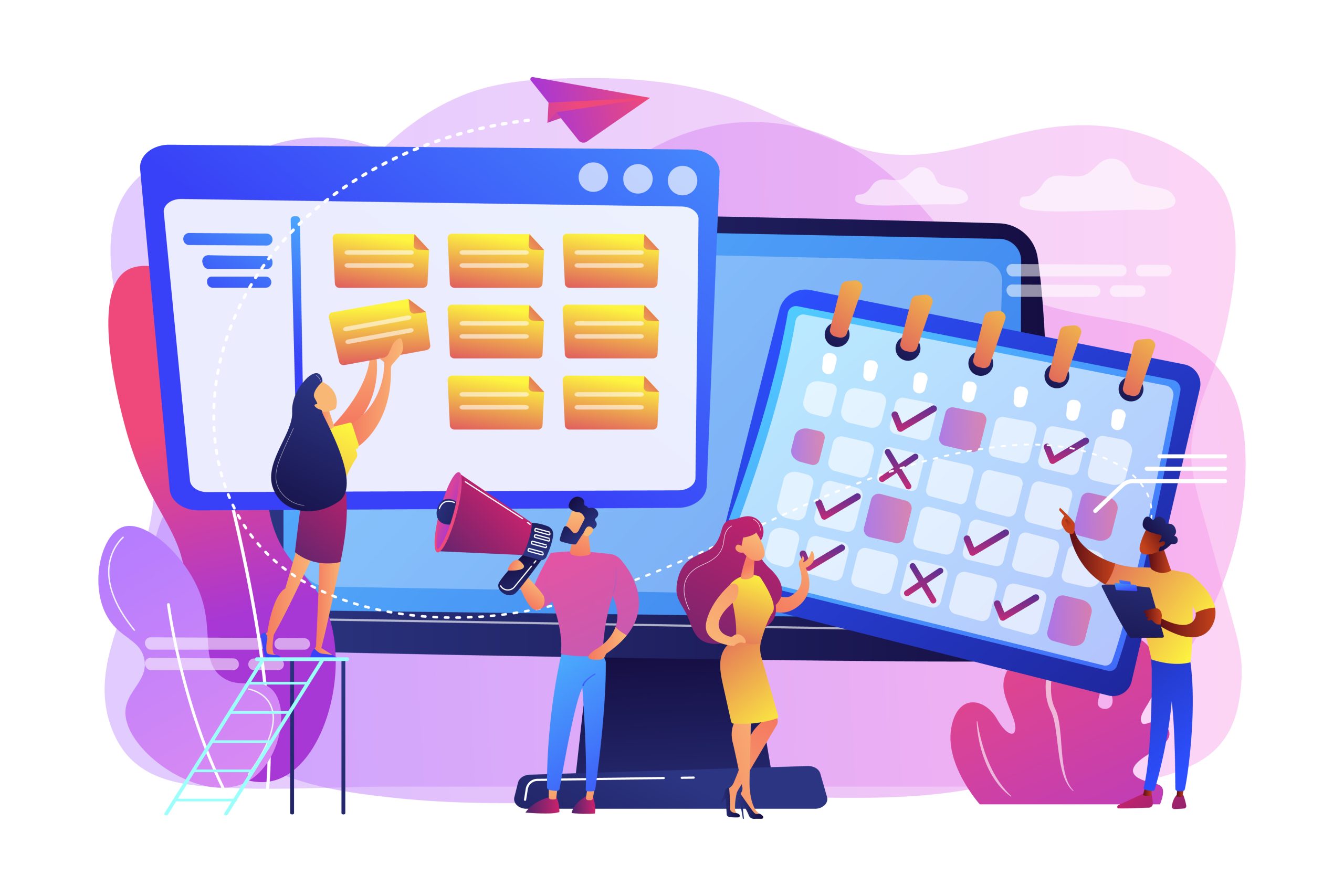
Delegation and task management
A project manager needs to know his employees and be able to rely on them. Many projects fail because they’ve been assigned to the wrong person or group, simply because many managers think teams should happily accept their assignments.
While this may work for them, it often fails. Employees are forced to do work they don’t want to do while feeling their talents are wasted. For this reason, look for or try to be a project manager who properly delegates aspects of the project according to personality or talent.
Communication
Project managers have many roles, one of which is that of the chief communicator. They communicate with every manager involved in the project, including every employee, those higher up in the company, and any person external to the organization (e.g., customer communication) who may partner with your company to deliver that project.
For this reason, project managers must be excellent communicators. This job is not for someone whose email inbox doesn’t get checked for days or someone who doesn’t like to talk.

Leadership
For where without leadership? Project managers must exhibit, among other things, strong leadership qualities.
Some employees are natural leaders. Others have the potential to lead after some mentoring. If you have the perfect, organized communicator on your team, but you doubt their leadership abilities, consider appointing them as a project manager with the knowledge that you will have to coach them through many stages.
Planning
Planning is also very much an aspect of project management, as other people rely on you to meet deadlines. This is especially true if your team has contracts in place for projects. A quality project manager will ensure that all clients deliver quality work on time.
The impact of proper planning goes beyond delegation and task management. Planning includes payment and invoicing planning, scheduling lead times, shift planning, etc.
Good project managers can juggle multiple calendars using tactics like color coding and labels to set priorities.