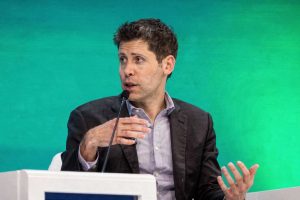

At this year’s World Economic Forum in Davos, artificial intelligence dominated conversations not just as a technological breakthrough, but as a source of rivalry, political tension, and strategic positioning among the world’s most powerful tech leaders. Coverage from TechCrunch and other international outlets shows that Davos has become a stage where CEOs promote their AI ambitions while openly disagreeing on regulation, safety, and control.
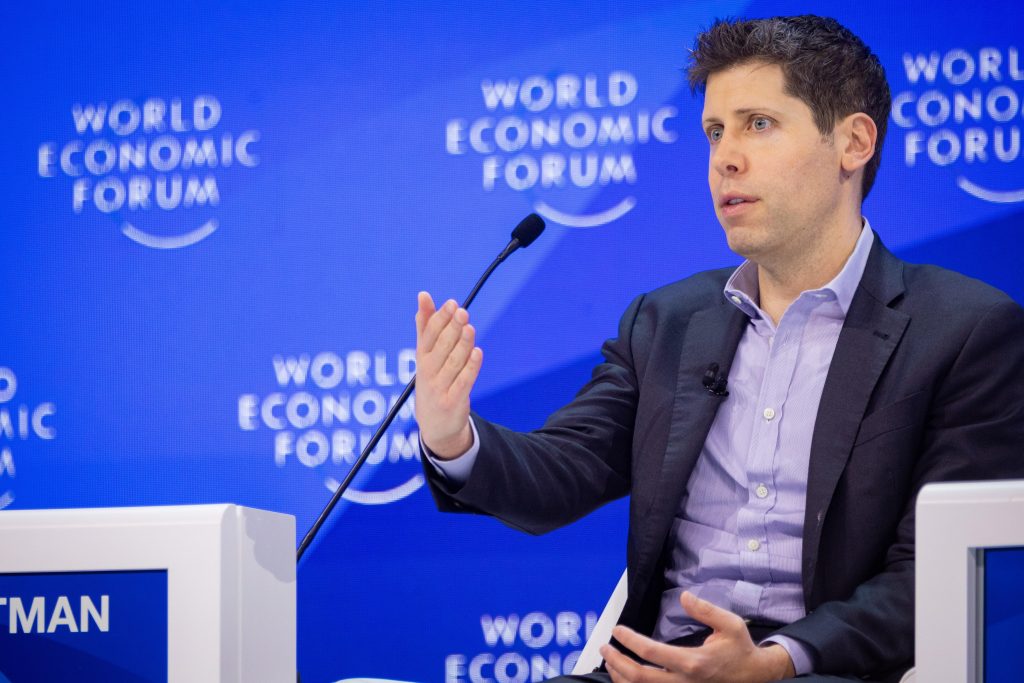
Sam Altman
Executives such as of OpenAI framed AI as a transformative force capable of reshaping productivity and economic growth, while emphasizing the need for global coordination on safety. Altman’s comments placed OpenAI at the center of debates around who should build and govern frontier models—especially as governments seek greater oversight.
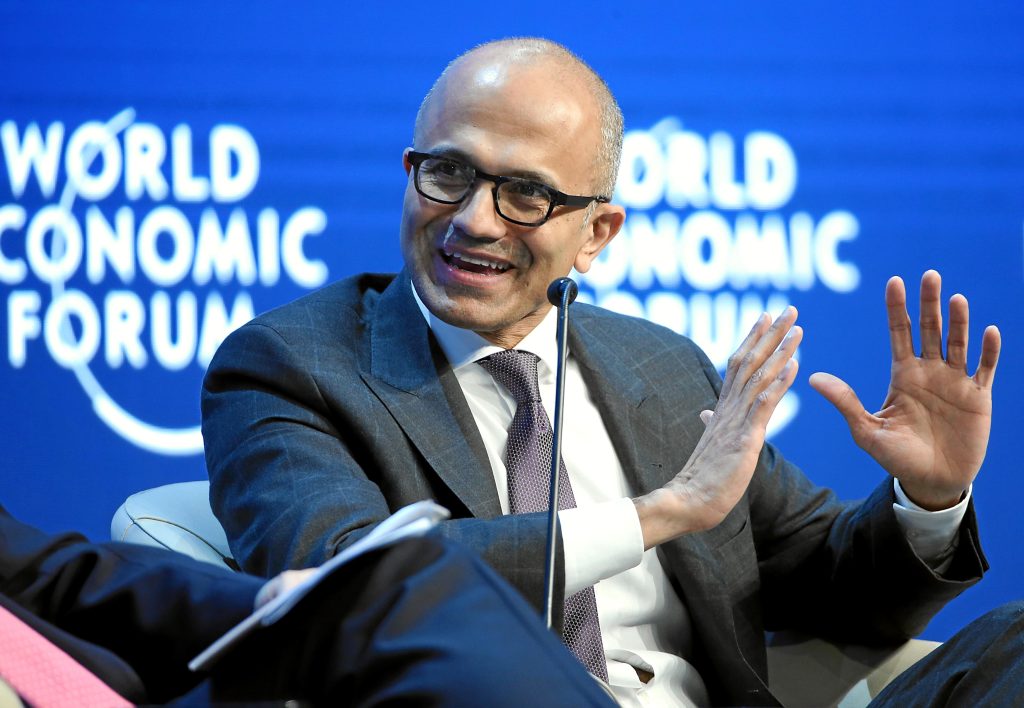
Satya Nadella
At the same time, highlighted AI’s rapid enterprise adoption, positioning it as a general-purpose technology comparable to electricity or the internet. Nadella pushed back against overly restrictive regulation, arguing that innovation and deployment must move faster than legislation if economies are to fully benefit from AI advances.
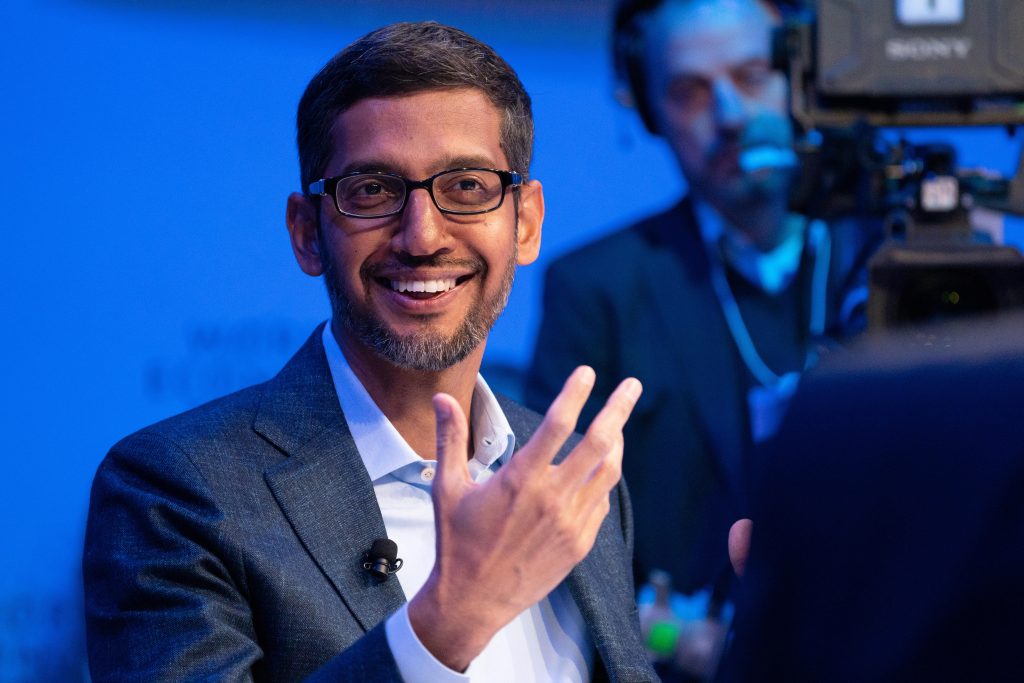
Sundar Pichai
From Google’s perspective, Sundar Pichai stressed the importance of responsible AI development and long-term governance frameworks. His remarks reflected the tension faced by companies that are both aggressively investing in large models and simultaneously under pressure from regulators across the U.S. and Europe.
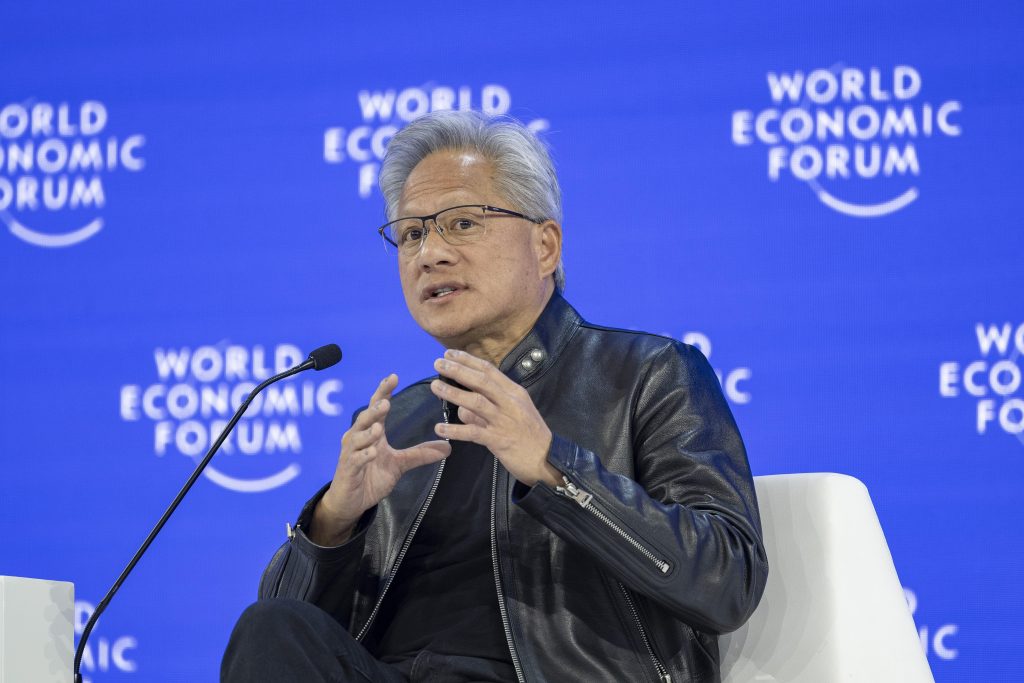
Jensen Huang
The competitive undercurrent was impossible to miss. Jensen Huang underscored how access to compute, energy, and advanced chips has become a strategic advantage, reinforcing the idea that AI leadership is increasingly tied to infrastructure dominance. In this framing, AI is not just software—it is a geopolitical asset.
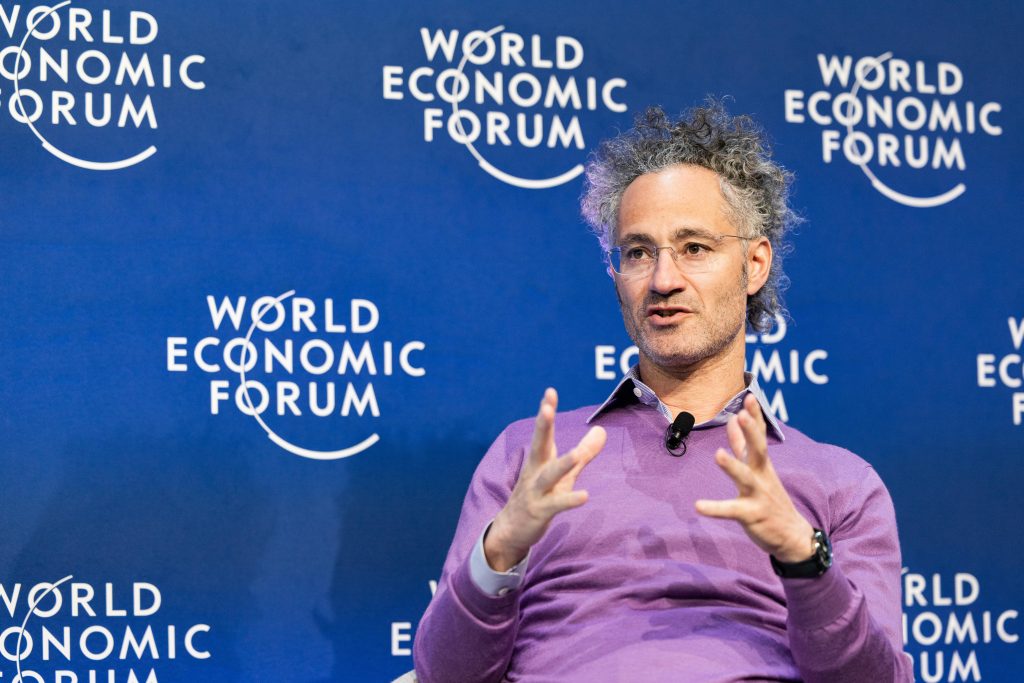
Alex Karp
Political and security dimensions were brought into sharper focus by Alex Karp, who argued that AI development is inseparable from national security and democratic resilience. His comments echoed broader concerns voiced by policymakers attending Davos, including the risk that authoritarian regimes could leverage AI faster and with fewer constraints.
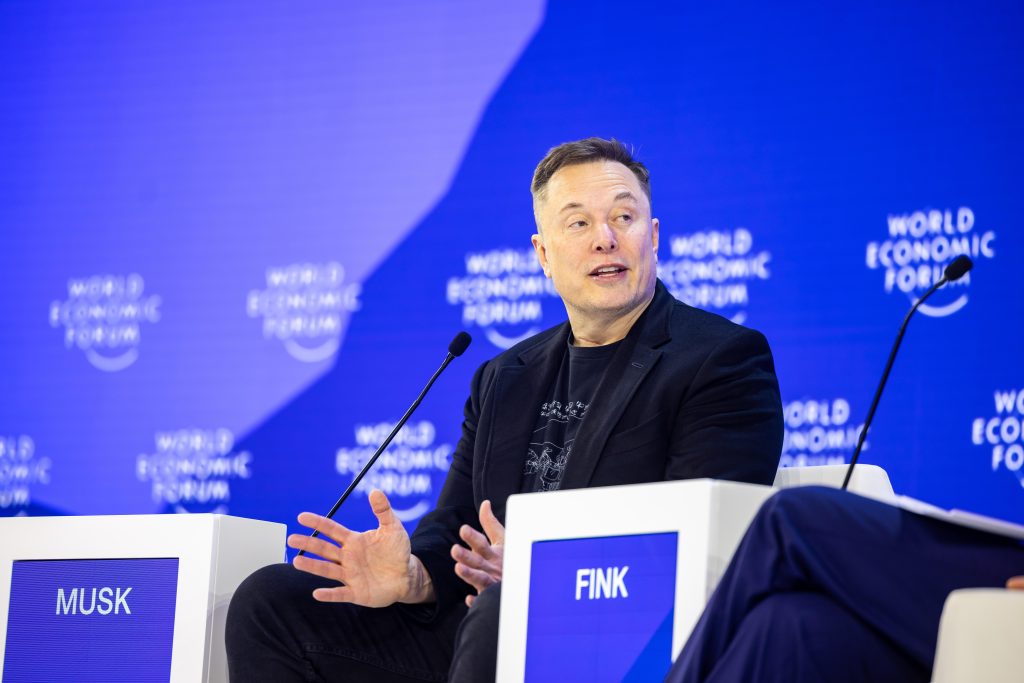
Elon Musk
Even when not formally on stage, Elon Musk loomed large over discussions. Musk’s long-standing warnings about AI risk, combined with his newer role as founder of xAI, made him a frequent reference point in debates over open versus closed models and the concentration of power in AI development.
Taken together, the Davos discussions revealed a clear divide. While tech leaders broadly agree that AI will redefine economies and societies, they remain deeply split on how fast it should scale, who should regulate it, and who ultimately controls the technology. At Davos, AI was no longer just a topic of innovation—it became a competitive and political battleground that will shape global tech policy for years to come.
Material by Iva Abadjievа
Image: Sam Altman -World Economic Forum / Benedikt von Loebell
Image: Satya Nadella – World Economic Forum/ Valeriano DiDomenico
Image: Sundar Pichai – World Economic Forum/ Greg Beadle
Image: Jensen Huang – World Economic Forum / Thibaut Bouvier
Image: Alex Karp – World Economic Forum / Benedikt von Loebell
Image: Elon Musk – World Economic Forum / Ciaran McCrickard