

At the intersection of software, energy, materials science, simulation, and media, F1 is no longer just a sport. It is a live testbed for the future of technology.
Formula 1 has always sold itself as the pinnacle of motorsport. That description still fits, but it no longer goes far enough. In 2026, F1 is better understood as one of the world’s most compressed and visible innovation environments, a place where artificial intelligence, cloud computing, advanced fuels, digital twins, real-time analytics, and high-performance engineering converge under conditions that leave no room for delay, redundancy, or imprecision. The sport is still about speed. But increasingly, speed is the output of something bigger: a technology stack.
That is what makes Formula 1 so compelling for professional technology and innovation media. Unlike many sectors where experimentation happens quietly inside labs or behind enterprise procurement cycles, F1 innovation unfolds in public. It is measurable in lap time, visible in race strategy, constrained by regulation, and judged every weekend against the toughest benchmark available: competitive performance. Every design choice, every model, every simulation, and every operational decision must stand up not in theory, but in motion.
Why the 2026 Rules Matter
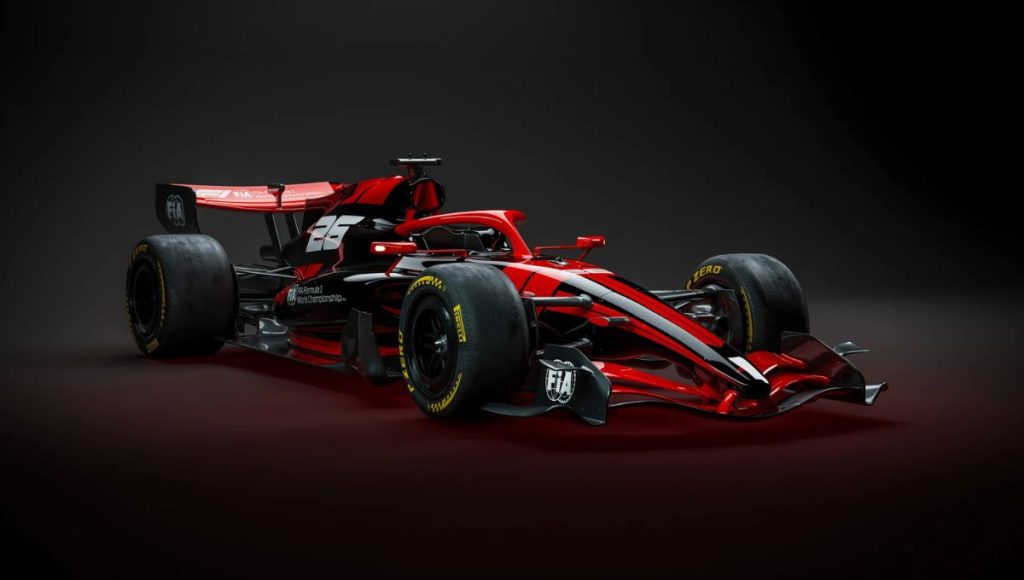
The sport’s next chapter makes that clearer than ever. Formula 1’s 2026 rules package is one of the largest technical resets in years, built around redesigned cars, active aerodynamics, smarter energy deployment, and advanced sustainable fuels. Formula1.com says the new era will bring cars that are more challenging for teams and drivers, while relying on “advanced sustainable fuel and smarter energy use.” The new fuels themselves are made from sources such as carbon capture, municipal waste, and non-food biomass, and Formula 1 says they are independently certified to meet strict sustainability standards.
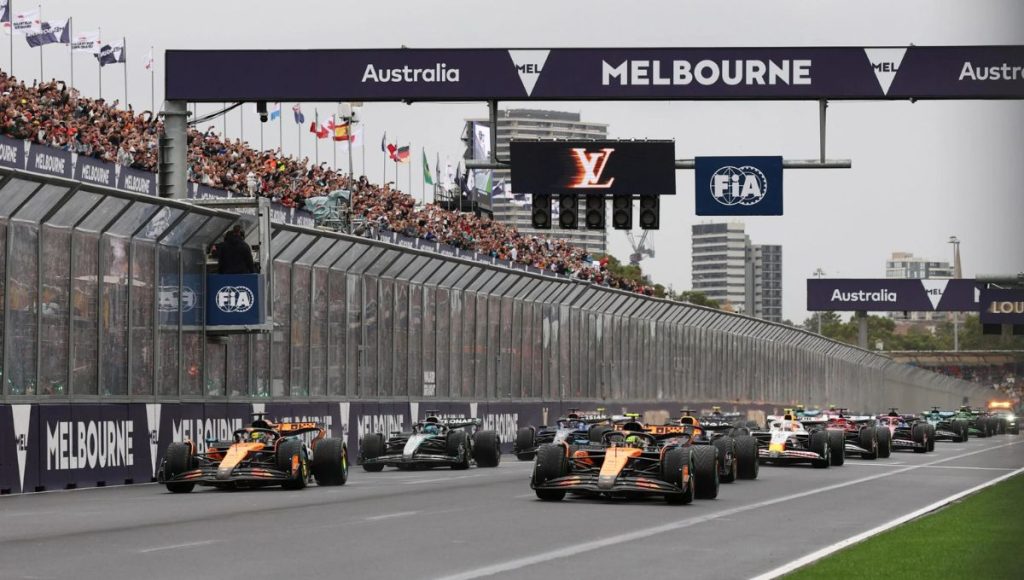
This matters because Formula 1 is no longer innovating in isolated technical categories. It is innovating across systems. The crossing point between technology and innovation in F1 is not simply the car. It is the way mechanical engineering, software, energy systems, manufacturing, logistics, and media now operate as one connected performance architecture. A faster car still matters, of course, but so does the quality of the simulation environment that predicted its behavior, the cloud infrastructure that processed its data, the machine-learning tools that surfaced anomalies, and the human-machine workflows that turned data into decisions on race day.
AI, Cloud, and the Race Weekend Brain
In that sense, Formula 1 increasingly resembles the broader economy. Many modern industries are moving toward software-defined operations, where physical assets are shaped by digital models and strategic advantage comes from linking data, compute, and execution. F1 just gets there first, and under more intense conditions.
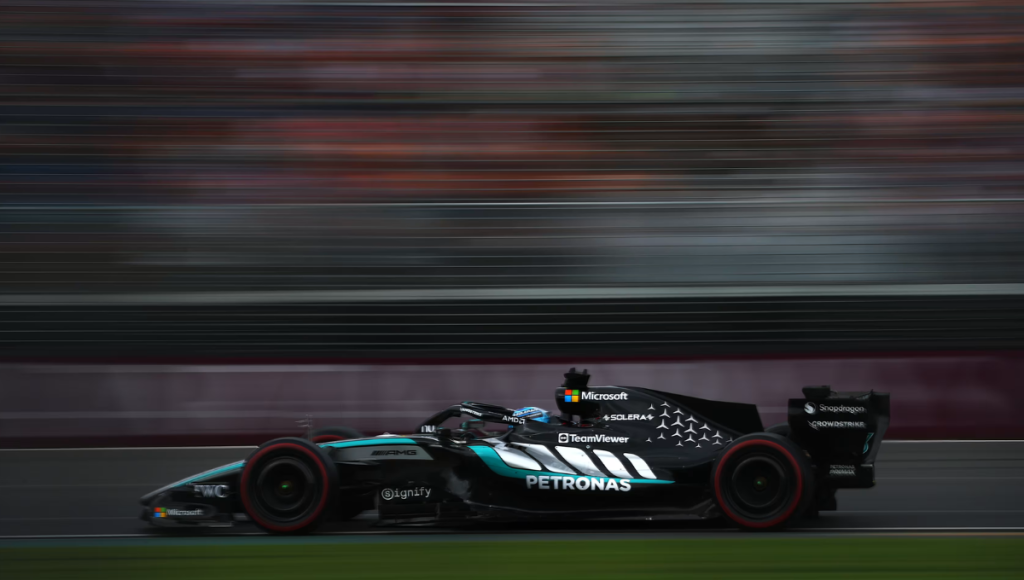
One of the clearest examples is the sport’s deepening use of AI and cloud technologies. Through its work with AWS, Formula 1 has been building tools that do far more than decorate a broadcast. AWS says F1’s Track Pulse uses machine learning and generative AI to give the broadcast team a clearer real-time picture of on-track action, including live driver battles, top speeds, and predictive storytelling cues. This is significant not only as a fan product, but as evidence of how AI is changing the way complex live systems are interpreted and packaged. In a data-rich environment, the challenge is no longer collecting information. It is deciding what matters in time to act on it.
Digital Twins and Simulation at Speed
That same principle applies even more sharply inside teams. The modern F1 operation is saturated with telemetry, historical comparisons, environmental variables, and strategic possibilities. The competitive edge comes from filtering that information intelligently and turning it into high-confidence decisions in seconds. McLaren’s work with Deloitte offers a strong example of this shift. Deloitte says it helped advance McLaren’s digital twin simulation technology to run 30,000 simulations per second while extracting actionable insights from more than a million data points captured during each race. On race day, that simulation environment can analyze millions of possible scenarios and help shape calls on pit stops, tire strategy, and fuel management.
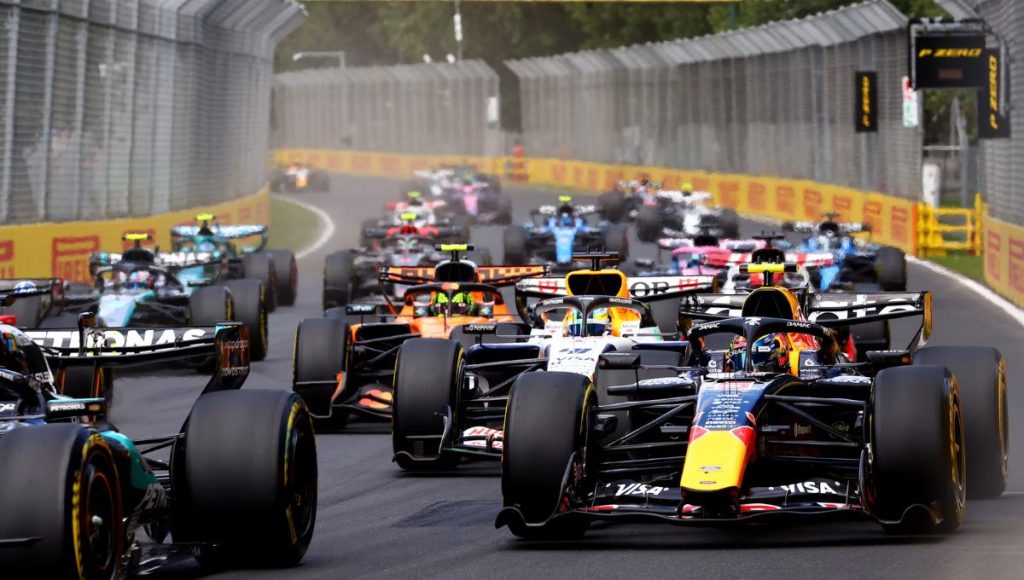
That is not motorsport as most audiences once understood it. It is operational intelligence in a high-speed setting. And it closely mirrors where many technology-intensive businesses are heading: toward decision environments in which digital twins, scenario modeling, and real-time analytics support human judgment rather than replace it. Formula 1 demonstrates that innovation is not just about building better systems; it is about building systems that help people make better decisions under pressure.
Sustainability as a Performance Challenge
The 2026 rule changes also reinforce F1’s growing role as a laboratory for the energy transition. Formula 1’s own sustainability material makes clear that advanced sustainable fuel is not a side project or symbolic gesture. It is embedded in the sport’s larger decarbonization strategy. According to Formula 1’s 2025 Sustainability Update, the sport had reduced its carbon emissions by 26% by the end of 2024 compared with its 2018 baseline, despite substantial growth in races, attendance, and audience. The report says Formula 1 is “on track” for its Net Zero by 2030 target, and notes that from 2026 advanced sustainable fuel will be introduced in Formula 1 cars as part of a broader effort that also includes green energy, logistics changes, and sustainable aviation fuel.
This is where Formula 1’s innovation model becomes especially relevant beyond racing. In many sectors, sustainability is still handled as a compliance layer added after the core engineering work is done. In F1, sustainability is increasingly becoming a design constraint and a performance problem to solve. The fuel cannot simply be cleaner on paper; it must work at the highest level of competition. It must operate in engines built for extreme stress. It must satisfy engineers, suppliers, regulators, and manufacturers at the same time. Formula 1’s explanation of the new fuels emphasizes that they are “drop-in” fuels, designed to replace fossil equivalents without requiring engine redesign in road-relevant contexts. That does not mean F1 alone will transform global transport, but it does mean the sport is helping move sustainable-fuel development from concept to credibility.
The Car as an Integrated System
The same can be said of aerodynamics and vehicle systems. Formula 1’s 2026 framework is designed not only to preserve speed, but to rethink how speed is generated and managed. Active aero, tighter energy management, and new control tools shift the competitive focus toward more dynamic system optimization. This makes the car itself more software-mediated and the race weekend more analytically demanding. Teams will have to balance aerodynamic efficiency, energy deployment, and racecraft in ways that make integrated systems thinking more important than ever.
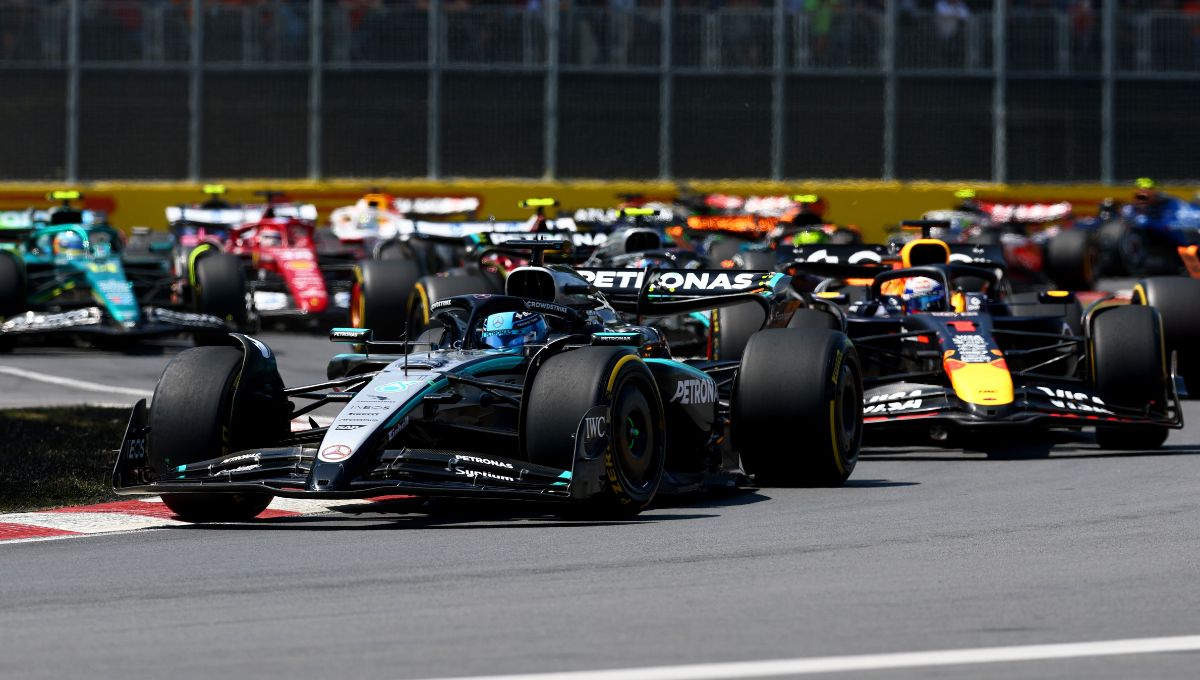
That evolution is easy to miss if F1 is viewed only through its glamour or its spectacle. But from a technology standpoint, it is one of the sport’s most important transitions. The old image of Formula 1 innovation was built around visible hardware breakthroughs: dramatic wings, exotic materials, iconic engines. The new image is more distributed. It includes simulation environments, machine-learning layers, cloud-native collaboration, sustainability engineering, and the increasingly sophisticated translation of race data into decisions and products.
Innovation Beyond the Garage
Even the fan experience now reflects that shift. Formula 1 is not just building faster cars; it is building a smarter media platform around the race itself. The AWS-F1 partnership shows how digital infrastructure and AI are being used not merely to report what happened, but to anticipate storylines, visualize complex race dynamics, and make a highly technical sport more legible in real time. That has implications far beyond entertainment. It points to a future in which data-heavy environments, from industrial operations to financial systems, increasingly rely on AI-assisted narrative layers to help human users understand fast-changing conditions.
There is also a business lesson in the way Formula 1 structures innovation. Contrary to the popular assumption that more resources automatically produce better outcomes, F1 thrives on constraints. Development is limited by financial rules, technical rules, and testing restrictions. That forces efficiency. It rewards teams that build tighter feedback loops between modeling and reality, between design and manufacturing, between operations and post-race learning. In the wider technology economy, where many organizations are trying to do more with less while still delivering transformation, that discipline may be one of Formula 1’s most transferable advantages.
Why F1 Matters to the Innovation Economy
This is why Formula 1 deserves to be taken seriously not only as a motorsport property, but as a strategic lens on innovation itself. It shows what happens when multiple technologies mature at once and are forced to interact in a real-world system. It shows how AI becomes useful when attached to urgent decisions. It shows how sustainability becomes meaningful when it is tied to performance. It shows how digital twins become valuable when they inform actions rather than dashboards. And it shows how competitive pressure can accelerate the fusion of software, hardware, energy, and experience design.
Formula 1 is often described as the future arriving early. In 2026, that idea feels less like a slogan and more like an operating model. At the crossing point of technology and innovation, Formula 1 is no longer simply a showcase for advanced engineering. It is a proving ground for how modern systems are built, optimized, and understood. For anyone trying to track where high-performance innovation is really heading, the paddock is no longer a niche place to look. It is one of the best places to start.
Images: Formula1.com News