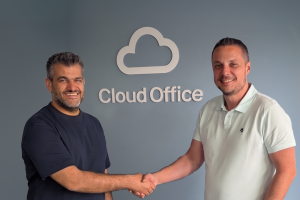

HL-TopMix, a Bulgarian company, has taken a strategic step toward digital transformation by implementing a new ERP system to manage its resources and business processes. The solution, Microsoft Dynamics 365 Business Central, was delivered by the Bulgarian consulting company Team VISION Bulgaria.
With more than 20 years of history, HL-TopMix has established itself as a leader in animal feed production, offering end-to-end solutions for livestock farmers across the country. Facing a dynamic market and growing demands for speed and quality, the company decided to centralize the management of all key operations—from finance and accounting to production, inventory, and sales.
The new system was integrated with existing solutions such as a MES (Manufacturing Execution System) platform, weighing equipment, and quality control systems, ensuring automation and seamless real-time data flow.
To remain a reliable partner for our customers, we must constantly evolve and invest in the best technologies. Implementing Microsoft Dynamics 365 Business Central gives us a 360-degree view of our business in real time,
said Vanya Bahchevanova from HL-TopMix.
Now we have a single source of truth that allows us to be more efficient, plan production optimally, and ensure full traceability of our products. We can also be more flexible toward customers without disrupting our workflows. This is a key step not only in optimizing our current processes but also in preparing for future challenges, such as the transition to the euro,
she added.
From the implementation partner’s perspective, the project is a strong example of how ERP drives measurable results:
We are proud to work with a market leader like HL-TopMix and to contribute to their digital transformation. The project demonstrates how modern ERP solutions can bring real, measurable benefits to the manufacturing sector in Bulgaria—boosting efficiency and laying the foundation for sustainable growth,
said Dobrin Zdravkov, COO at Team VISION Bulgaria.
Among the key benefits HL-TopMix reports after the implementation are: centralized management and greater transparency, higher operational efficiency, optimized order management, improved customer satisfaction, streamlined production planning, and advanced analytics and reporting.